Study Abroad
MY TIME IN SEVILLA REFLECTION
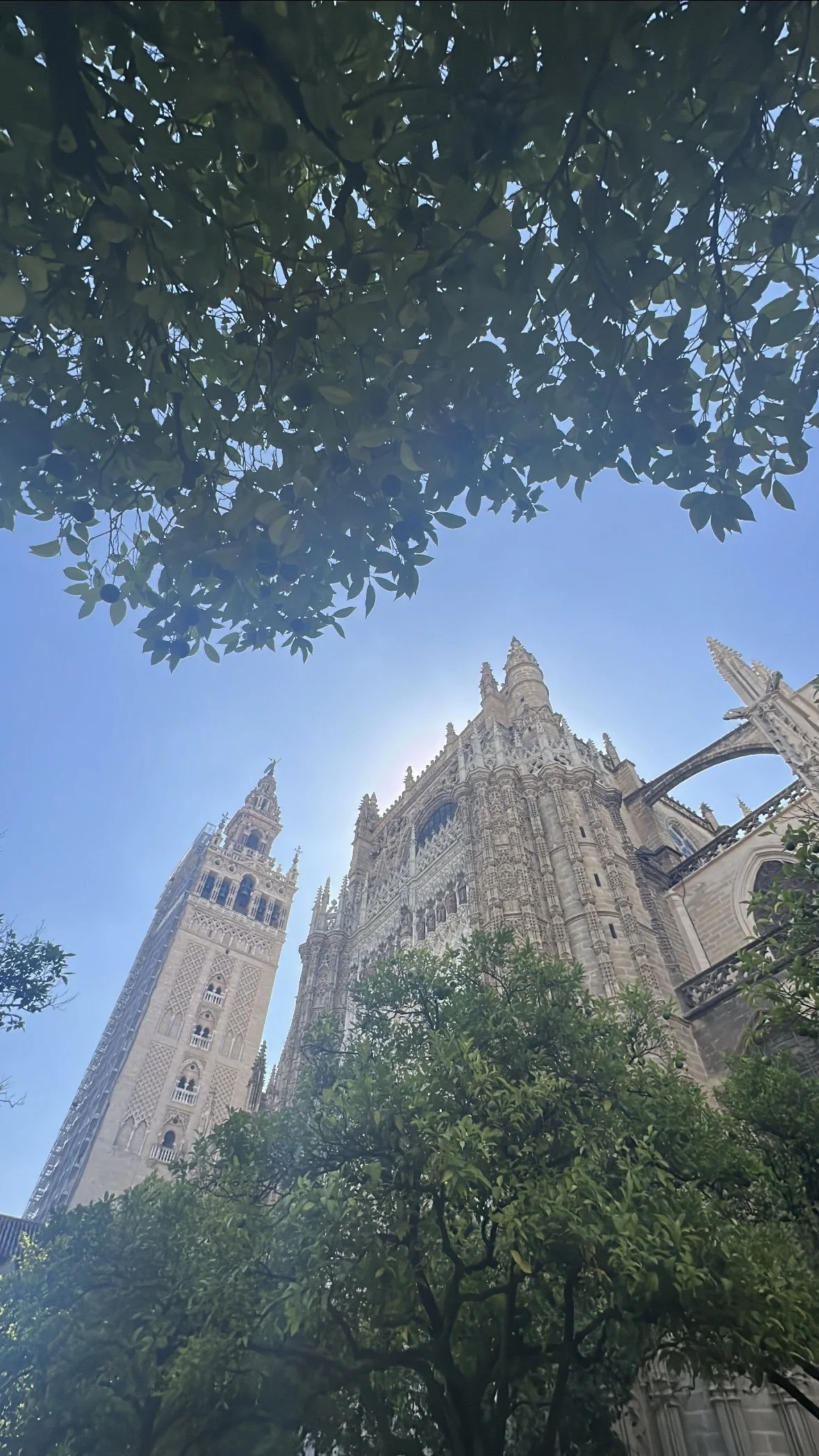
In the fall of 2023, I embarked on a transformative journey to Sevilla, Spain, as part of the CEA CAPA study abroad program. My original learning goals were largely academic: I wanted to improve my Spanish fluency, deepen my understanding of international business, and gain professional experience through an internship. However, as I reflect on my time in Sevilla, I realize that my journey went far beyond these initial goals. It became a profound cultural and personal growth experience that reshaped how I view myself and the world. Before traveling to Spain, I focused on enhancing my professional skills and language abilities. I envisioned my study abroad as a structured experience to teach me technical business strategies in Spanish. While I did improve my fluency and gain invaluable business knowledge, my most significant learning occurred in unexpected areas. For instance, working as a business analyst at a local Spanish company, La Terraza Del Cristina and being a general resident in Sevilla introduced me to the challenges of navigating a high-context culture. In Spain, communication relies heavily on non-verbal cues, shared experiences, and an informal style that was new to me. Messages from teachers, bosses and friends were often communicated casually via WhatsApp messages or voice notes, which is a stark contrast to the structured, time-oriented work culture in the U.S. Adapting to this taught me to embrace ambiguity and develop intercultural communication skills.
One cultural aspect that stood out during my time in Sevilla was the differing perceptions of time and workplace expectations. In the U.S., time is treated as a strict commodity. Work or school typically starts and ends at designated times, with tasks deferred to the next shift if incomplete. In Spain, however, time is more fluid. At my internship and school, arriving five or ten minutes late was acceptable, but also, the end period was just as flexible as the starting period. This more flexible but results-driven approach required me to adjust my expectations and learn patience. By the end of my study abroad, I became very keen on being “ European fashionably late.”
As I continue to reminisce on these differences, my most meaningful experiences stemmed from moments of challenge and adaptation. Communicating exclusively in Spanish, especially in informal settings, was daunting at first. I often felt unsure of myself when struggling to hold a conversation with my teachers or when trying to help an elderly local find directions to a café they were excited to visit. These moments, though intimidating, became pivotal in my personal growth. For example, I recall one afternoon when an older woman stopped me near Plaza de España, asking for directions to a nearby bakery. Initially, I struggled to understand her Andalusian accent, which often drops consonants and speeds through words. Instead of panicking, I asked her to repeat herself and focused on the context of her words. After piecing together her request, I guided her to her destination, even recommending a café I had recently tried. Even though I made some grammatical mistakes, the gratitude she expressed and her warm smile made all the nervousness worth it. Moments like this taught me the importance of perseverance, even when I felt out of my depth. Your comfort zone is only there to limit you from what you can achieve!
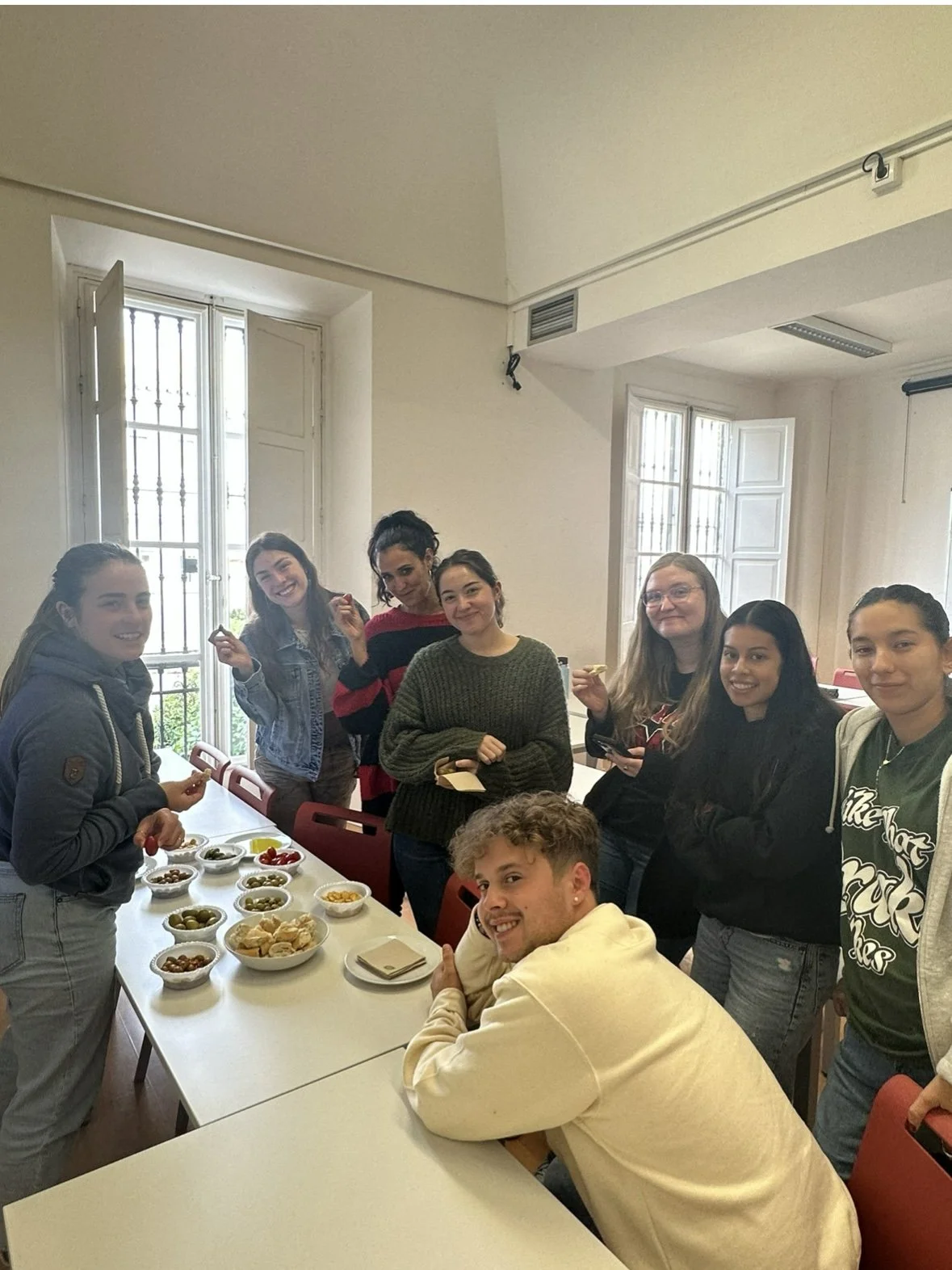
Studying abroad fundamentally changed how I see myself and my role in society. Being viewed as an outsider in Spain, a young professional navigating a new language and culture, challenged my assumptions about identity and privilege. For instance, I noticed that locals were often curious about my background, leading to conversations that deepened my appreciation for cultural exchange. At the same time, I became more aware and connected to the strong-knit community in Sevilla. With the hate and divisiveness that often characterize modern America, it was refreshing to witness the sense of community among Spaniards, regardless of age, gender, or background. In Spain, people seem to effortlessly find common ground and joy in the simple, shared moments of life. Conversations spark easily, whether it’s a casual comment about the weather, an animated debate about last night’s soccer match, or a lighthearted remark about the fresh baguette someone has just picked up on their way home. These small, everyday joys form the fabric of Spanish life, bringing people together in ways that feel genuine and unifying. This awareness of community and my societal role has inspired me to approach interactions with greater humility and empathy, finding happiness in little things.
Overall, my semester in Sevilla was an incredible experience that extended far beyond academics. Living and working in a new cultural environment challenged me to adapt, communicate, and grow in ways I never anticipated. The lessons I learned—from informal work communication to embracing the slower, relationship-driven pace of Spanish life, have left an indelible mark on my personal and professional development. Sevilla quickly became more than just a backdrop for my growth; it was the catalyst for a new understanding of myself and the world around me.